A farm team harvests red onions on school land in Kenya, with school buildings and a water tower in the background.

Unused school land can feed a generation.

School Farm Network turns underused land at African schools into professionally managed farms that produce food, create jobs and give young people a pathway into agriculture.

Approx. 4 tonnes of onions harvested — May 2026 Proceeds to fund meals via Food for Education Two-school, two-cycle pilot underway Paid roles prioritised for women and youth aged 18 to 35
The opportunity

The land exists. The operating system does not.

Many African schools hold land that is unused or underproductive. Their students face hunger or unreliable access to meals. Women and young people in the surrounding community need viable work and skills pathways.

Agricultural programmes usually fail for the same reason: no consistent operations, no committed buyers, no financial controls, no evidence. These are not four separate charitable causes. They are one connected systems problem, and it needs one operating system.

How it works

Five stages, one accountable model.

01
Assess
Verify land, water, governance, access, security and commercial viability before anything is built.
02
Build
Establish appropriate irrigation, storage, fencing, soil preparation and operating infrastructure.
03
Grow
Plan and manage crop cycles against real buyer demand and agronomic requirements.
04
Deliver value
Sell or exchange produce and deliver the agreed benefit to the school, including meals.
05
Measure and replicate
Record costs, jobs, yields, school benefits and lessons so the model improves and repeats.
INPUTS
School land · operating capital · local labour · agricultural management
PRODUCTION
A professionally managed farm
VALUE
Produce and revenue
OUTCOMES
School meals and benefit · jobs · reinvestment · evidence

One farm, multiple outcomes.

Every outcome comes from the same productive asset, not four disconnected programmes.

01
Meals
Productive land helps fund or supply meals for students.
02
Jobs
Farms create paid local work, with emphasis on opportunities for women.
03
Learning
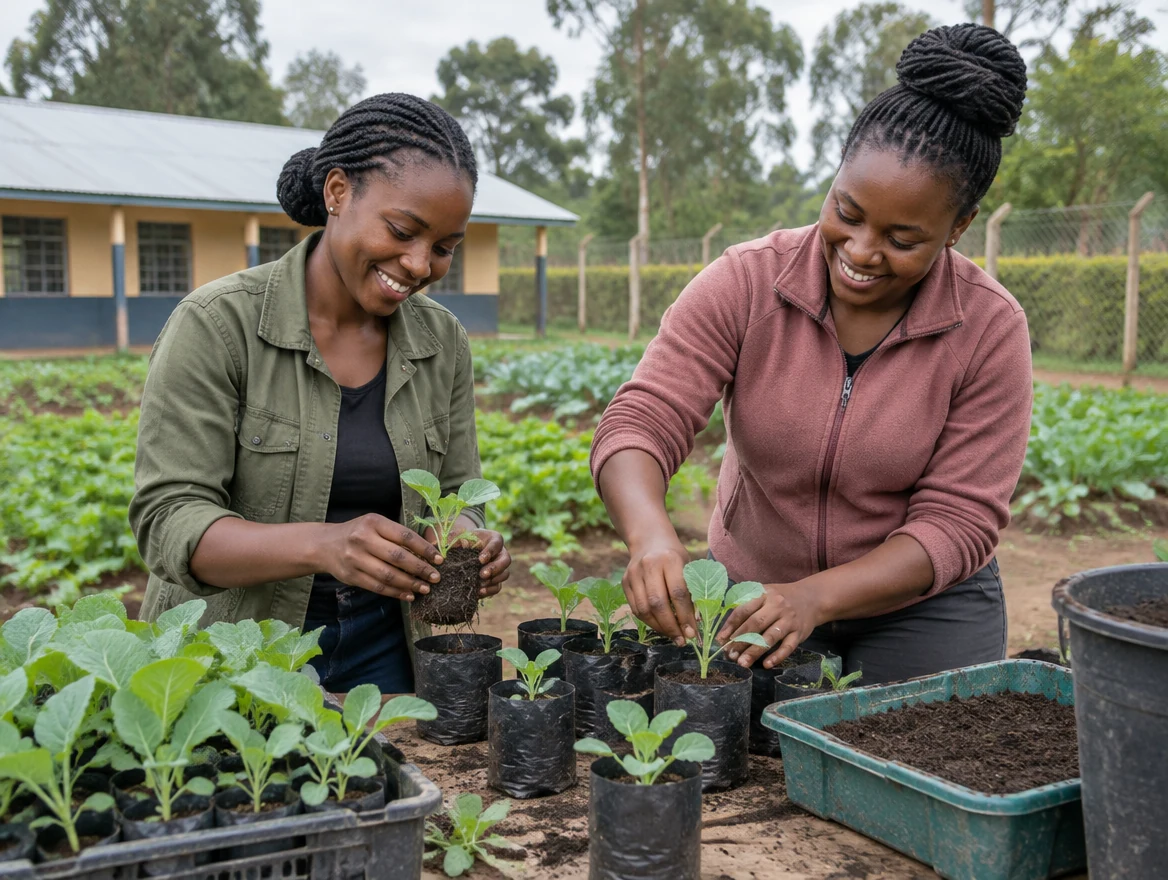
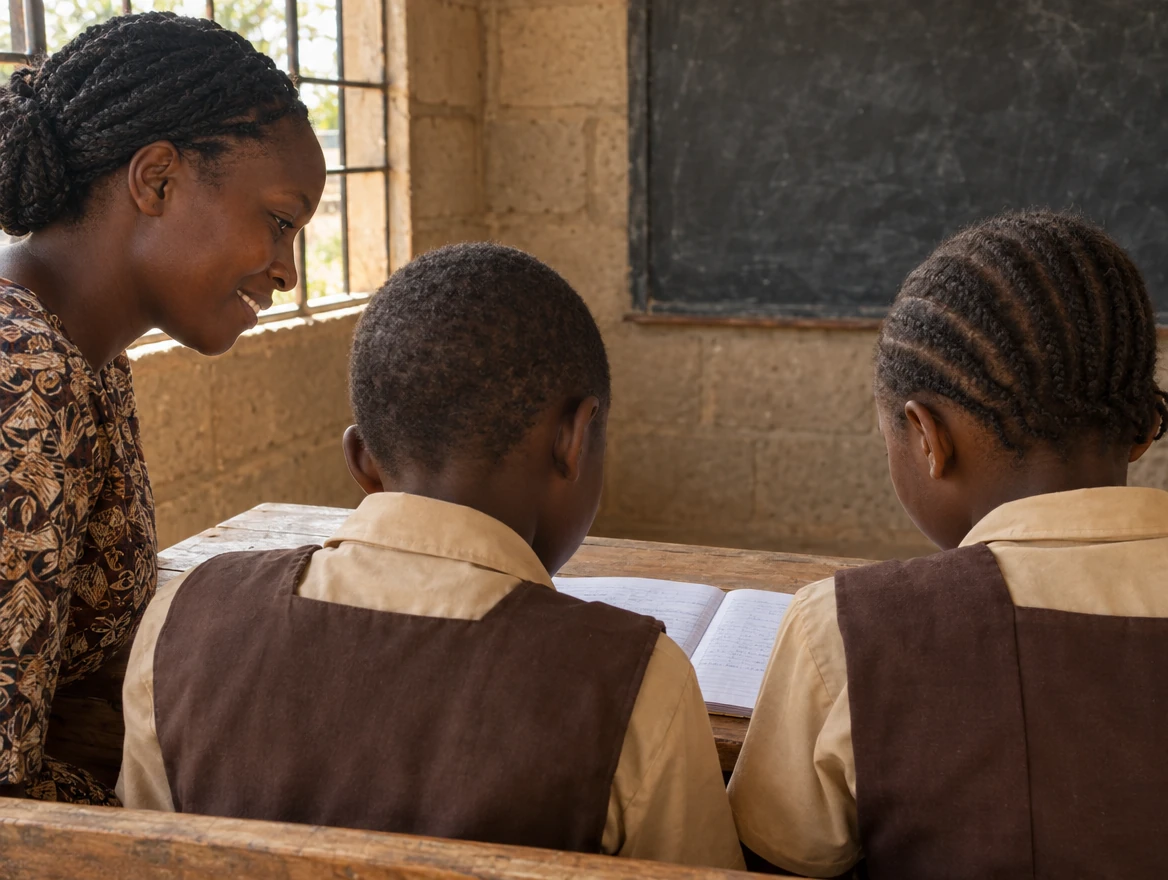
Schools gain a practical agricultural learning environment.
04
Future farmers
Young people aged 18 to 35 gain real operational experience and a pathway into agriculture.
Evidence and current stage

Built to prove what works, not just report activity.

SFN is developing and testing a repeatable model. We publish what is verified, state what is still being measured, and never present ambition as achievement.

Verified pilot result · May 2026
4 tonnes
of onions harvested at Seeds2Education, the original pilot project.
Source: pilot harvest and weighing records, May 2026. A pilot result, not portfolio performance.
Sale and meal conversion · in progress
The harvest is being sold to market. Proceeds will be paid to Food for Education in exchange for student meals.
Pilot measures · in collection
Costs per acre, yields per crop cycle, paid work created, school benefit delivered, and operational lessons across a two-school, two-cycle pilot.
Evidence being collected
Long-term ambition · not yet achieved
A model repeatable across thousands of schools and tens of thousands of acres in Africa.
The operating platform

Physical farms. One accountable operating system.

Every farm runs on a common platform that manages land and farm records, crop planning and field work, employment and labour, suppliers and financial controls, evidence capture, harvests, sales and school benefits, and portfolio-level reporting.

Land and farm records
Crop planning and field work
Employment and labour
Suppliers and financial controls
Evidence capture
Harvests, sales and school benefits
Portfolio-level reporting
Partnership pathways

Different partners, different roles.

Governments and education authorities
Identify suitable school land, set operating standards, create local employment and build an evidence base for wider adoption.
Discuss a government partnership
Foundations and catalytic funders
Catalytic funding establishes infrastructure, tests repeatability, verifies outcomes independently and de-risks a model that can later attract commercial or government capital.
Explore catalytic funding
Buyers and agricultural partners
Demand-led crop planning, quality standards, reliable offtake and transparent transactions, backed by agronomy and implementation expertise.
Talk about offtake and implementation
Schools and school networks
Schools provide land and receive an agreed benefit, primarily meals or value in kind. Eligibility depends on land rights, governance, water, access, security and commercial viability.
Register a school or network
The work

Photography from Seeds2Education, the original pilot.

Women sorting harvested onions in the field.
A worker carrying freshly lifted onions across the field.
A pile of harvested red onions with the school in the distance.
A woman harvesting onions by hand.
Close-up of harvested red onions.

Africa does not lack land, talent or demand. It needs the systems that connect them.

Discuss a partnership