How it works
From unused land to an accountable, repeatable farm.
School land is the production base. SFN assesses it, builds the infrastructure it needs, operates it professionally, and converts part of the value created into an agreed benefit for the school. Every step is recorded so the model can be evaluated and repeated.
How value moves
INPUTS
School land · operating capital · local labour · agricultural management
PRODUCTION
A productive, professionally managed farm
VALUE
Produce and revenue
OUTCOMES
School meals and benefit · jobs · reinvestment · evidence
The exact legal, financial and benefit structure varies by jurisdiction and partnership. Schools provide land and receive an agreed benefit, primarily meals or value delivered in kind. Schools do not buy the produce.
The model in depth.
01
Assess
Not every school with land will qualify. Site selection verifies land rights and governance, water availability, access and security, school leadership, and commercial viability. Legal and governance requirements are settled before any capital is committed.
Includes boundary mapping, soil and water testing, and a formal land-use agreement with the school and relevant authorities.
02
Build
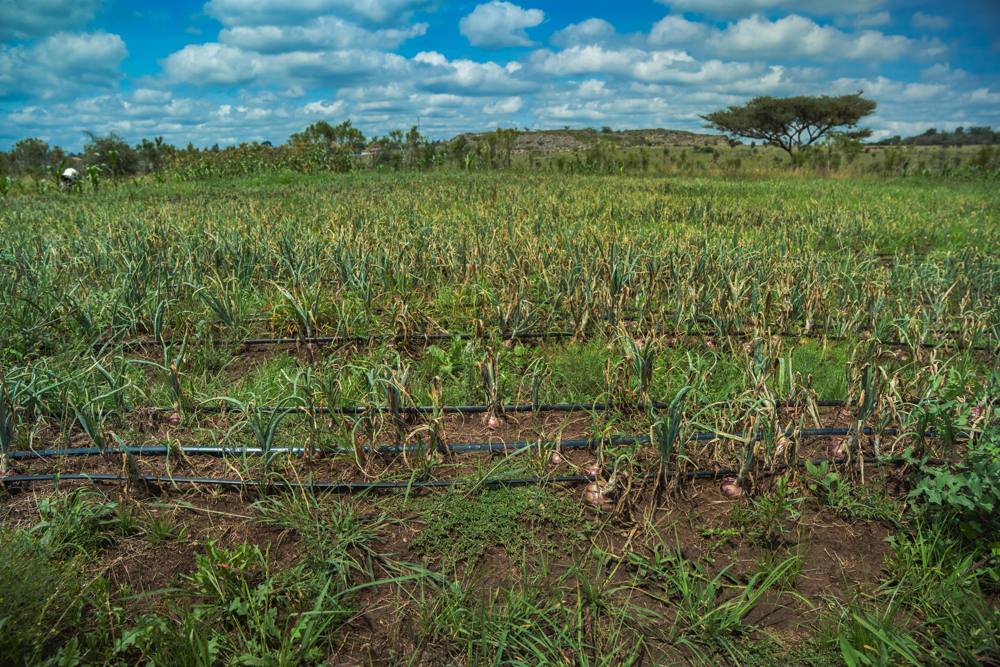
Farm design matches the site: irrigation, water storage, fencing, soil preparation and the operating infrastructure each field needs. Infrastructure is sized to the crop plan, not built speculatively.
Suppliers and purchases run through the operating platform with financial controls from day one.
03
Grow
Crop cycles are planned against real buyer demand and agronomic requirements before planting. Local teams are recruited, employed and trained, with paid roles prioritised for women and for young people aged 18 to 35.
Field work, labour and crop health are recorded continuously by the site team.
04
Deliver value
Produce is sold to committed buyers or exchanged through offtake partners. The school receives its agreed benefit, primarily meals or value in kind, on documented terms.
Harvests are weighed, recorded and reconciled against sales and school benefit delivery.
05
Measure and replicate
Costs, jobs, yields, school benefits and operational lessons are recorded on the shared platform and evaluated against pilot success criteria. What works is repeated; what fails is changed or stopped.
The transition from pilot to repeatable portfolio depends on evidence, not enthusiasm.